 Bananagrams
Playing alone
Updated September 4, 2026 · 2 min read
You can play by yourself. A solo hand uses the exact same rules as a multiplayer game, starting with 21 tiles from the bunch, and it is the only way to slow the game down on purpose.
The short version
- Count out 21 tiles face down on the table to form your opening hand.
- Call Split out loud and flip your tiles over to begin forming words.
- Take one tile from the bunch each time you finish your hand and call Peel.
- Trade one unwanted tile for three from the bunch whenever you call Dump.
A published guide advises playing alone to build speed before a table is watching. In a group game, other players call Peel the moment they clear their letters, forcing fresh tiles into your grid whether you are ready or not. Playing alone removes that pressure.
The solo hand follows the standard rules. You draw 21 tiles face down, say Split, turn them over together, and build your grid. You call Peel whenever you use every tile, drawing one fresh tile from the bunch each time. You can call Dump whenever you want, returning one tile face down in exchange for three.
A single player continues calling Peel and adding tiles until the bunch holds fewer tiles than there are players. For one player, that means playing until zero tiles remain in the bunch. Once that threshold is reached, using every letter allows you to call Bananas to end the game.
The mistake to avoid
It is tempting to look at your opening tiles as you draw them from the bunch. The rules require that all 21 tiles stay face down on the table until you call Split.
Questions that keep coming up
How many tiles do I start with when playing alone?
A solo game starts with 21 tiles, which is the standard opening hand size for 1 to 4 players.
Can I Dump tiles during a solo game?
Yes. You can call Dump as often as you like, returning one tile face down to the bunch to take three new ones.
Are there any blank tiles in the bunch?
No, there are no blank tiles in the bunch. All 144 tiles show letters, covering all 26 letters of the alphabet.
Read enough? Deal yourself in
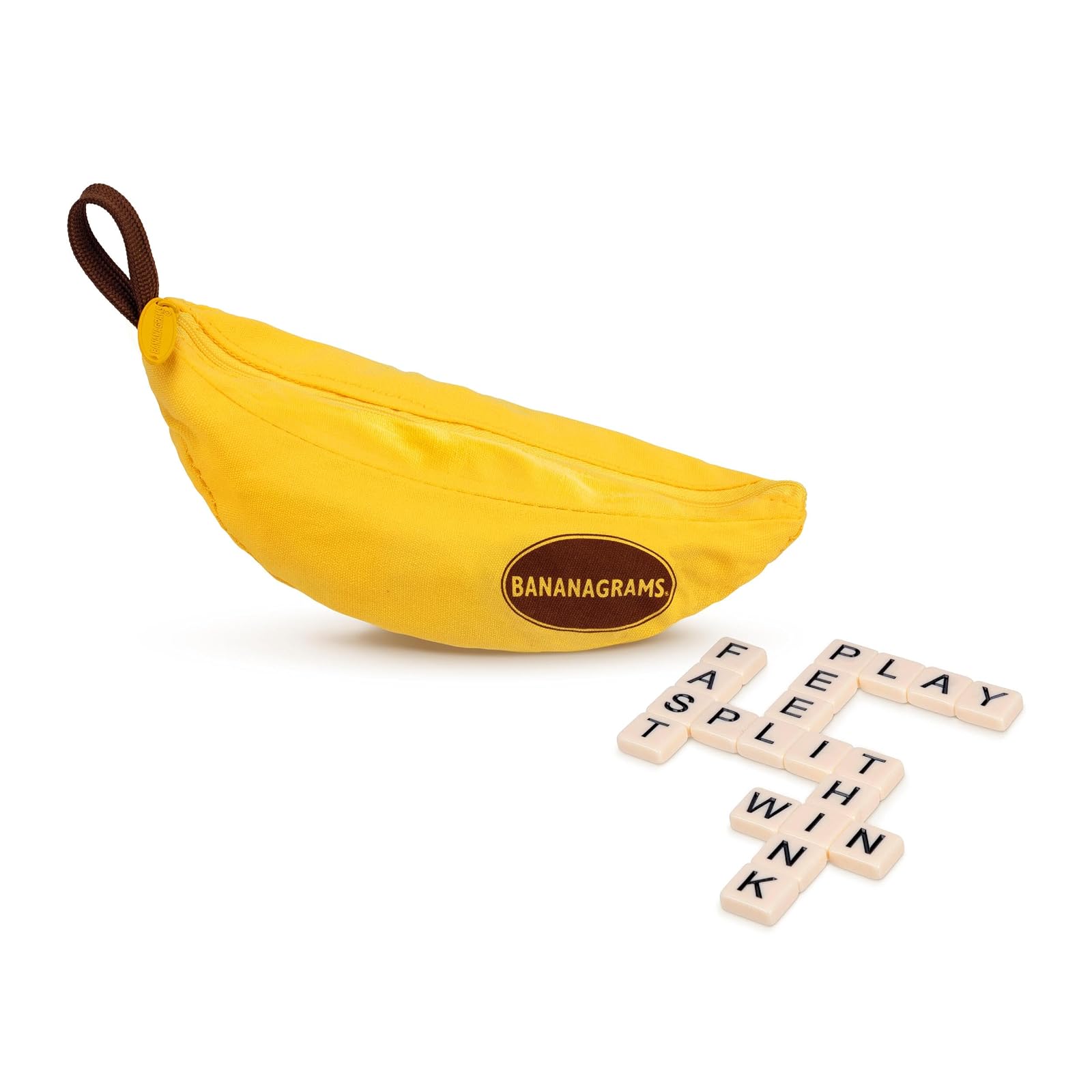
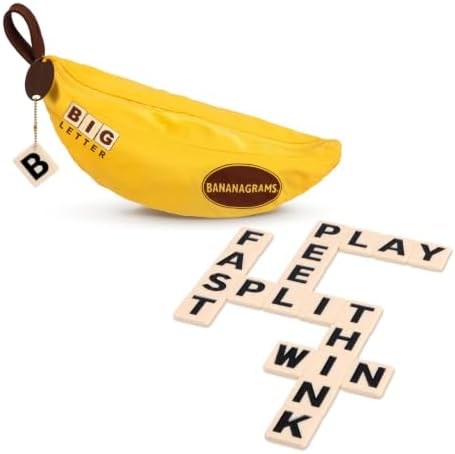
Every rule on this page was written for the tiles below. Unzip the pouch, split the bunch, and the page stops being theory.